
NASA’s 2026 Space Odyssey: Mike Fincke Chases Record in Historic January Spacewalks
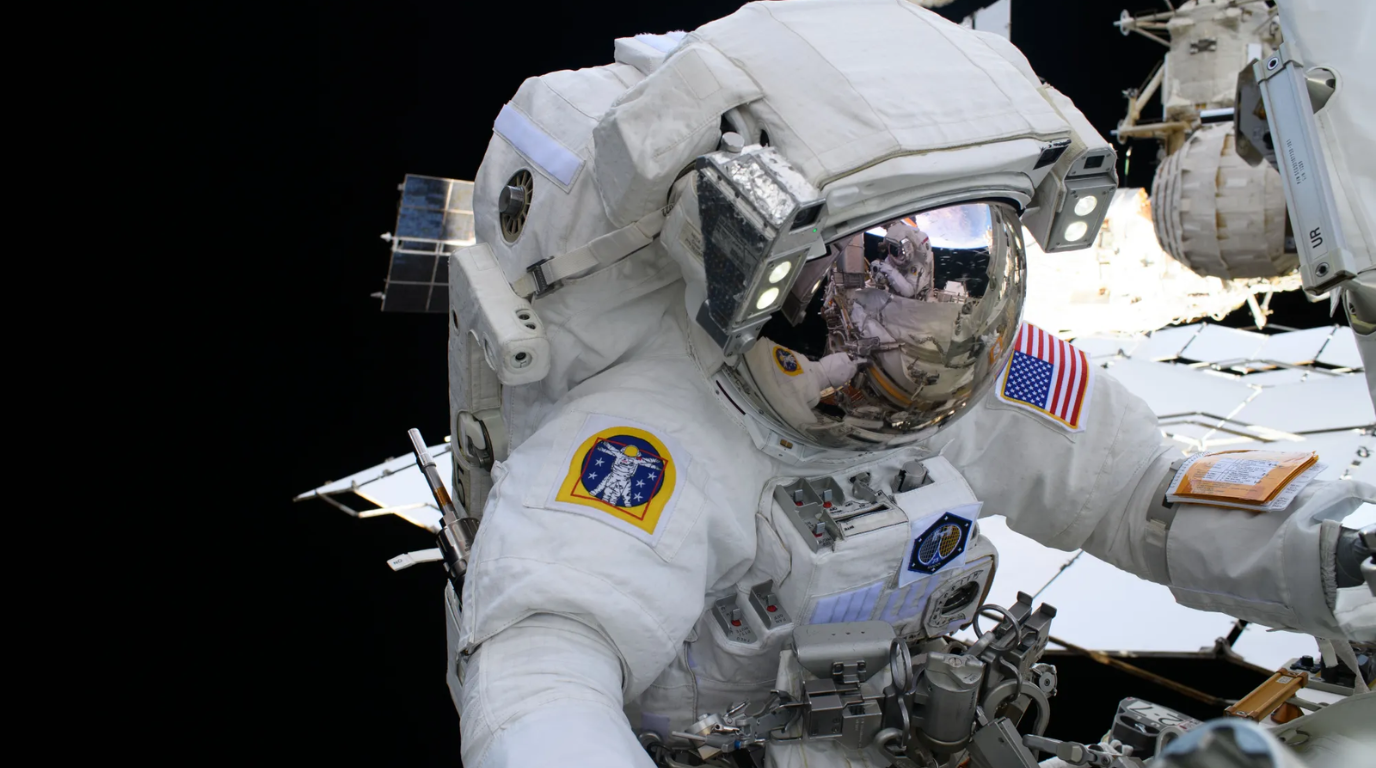
NASA has officially set the stage for the first orbital operations of 2026. On January 6, 2026, the agency will hold a high-stakes media briefing to preview two critical U.S. spacewalks (EVAs) outside the International Space Station (ISS). These missions, scheduled for January 8 and January 15, are not just routine maintenance—they are a bridge to the station’s future and a milestone for two very different astronauts.
The Veteran and the Rookie: A Tale of Two Astronauts
The first spacewalk of the year features a lineup that has captured the attention of the space community:
- Mike “Spanky” Fincke (The Legend): Currently the Commander of Expedition 74, Fincke will be embarking on his 10th spacewalk. This feat will tie him for the all-time record for most spacewalks by a NASA astronaut, cementing his legacy alongside icons like Gene Surman and Peggy Whitson.
- Zena Cardman (The Debut): In a “passing of the torch” moment, Cardman—a biologist and member of the 2017 “Turtles” class—will step out of the Quest airlock for the first time in her career.
Mission Objectives: Powering the ISS Toward 2030
These spacewalks are part of a multi-year effort to revitalize the station’s power grid before its eventual deorbit at the end of the decade.
Spacewalk 1: January 8, 2026
- Primary Task: Preparing the 2A power channel on the station’s truss.
- Goal: Installing modifications to support future iROSA (Roll-Out Solar Arrays). These advanced wings unroll like yoga mats and will increase the station’s total power capacity by 30%.
Spacewalk 2: January 15, 2026
- Primary Task: Hardware “Hot-Swaps.”
- Goal: Replacing an aging high-definition camera on Camera Port 3 and installing a new planar reflector—a navigation aid essential for the next generation of visiting commercial spacecraft.
How to Watch the NASA Briefing
NASA will provide a deep-dive technical preview featuring Diana Trujillo and Heidi Brewer, the flight directors leading these complex maneuvers.
The “Why” Behind the Work
As the ISS enters its final years of operation, these upgrades ensure that scientific research continues at full capacity. The increased power is specifically needed to support the US Deorbit Vehicle (USDV), which will eventually guide the 450,000kg laboratory to a safe disposal in the Pacific Ocean in 2031.