

Dhurandhar: The Blueprint of ‘State-Embedded’ Cinema in the New India Era
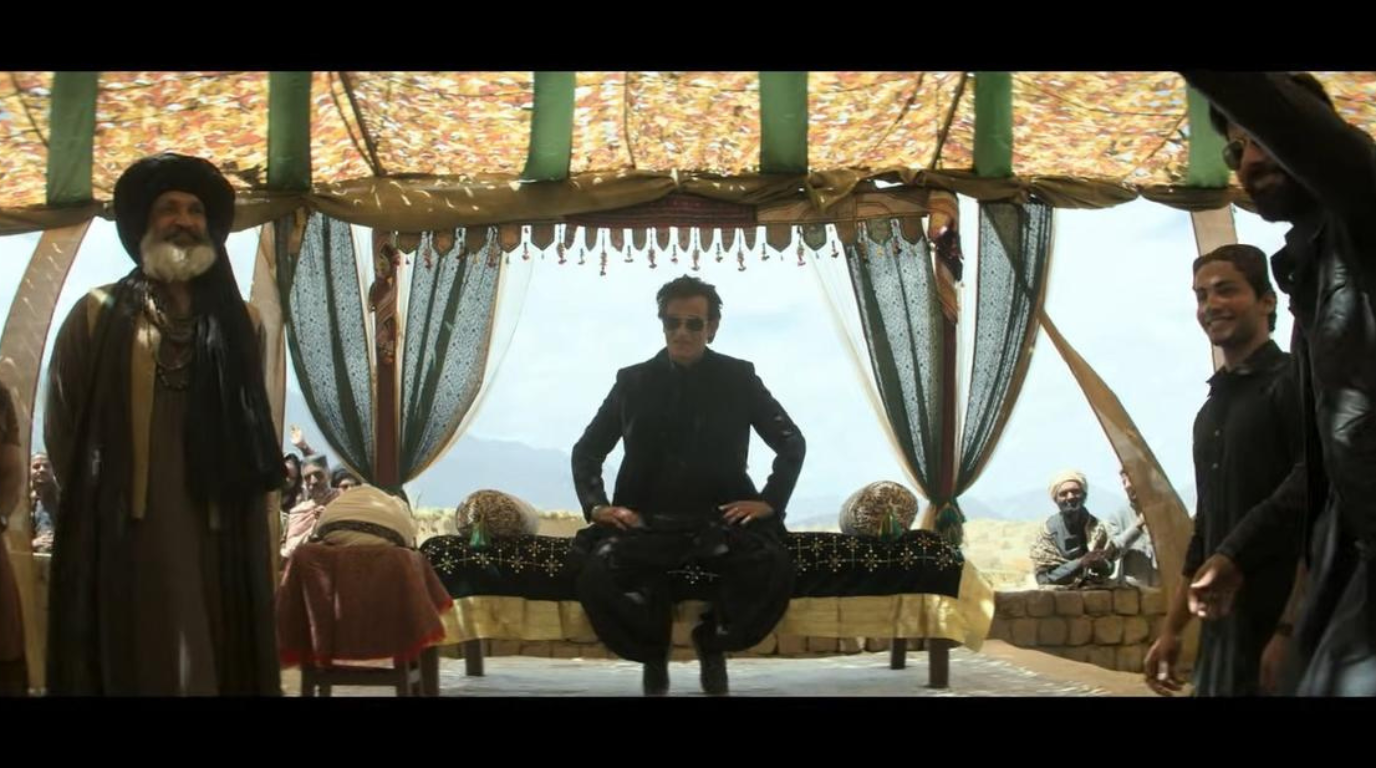
While 2025 has seen several blockbusters, Aditya Dhar’s ‘Dhurandhar’ is not just a film—it is a case study in government-embedded filmmaking. Unlike the “loud” nationalism of the past, Dhurandhar uses a sophisticated, gritty aesthetic to align cinematic fiction with real-world state doctrine, effectively “laundering” political narratives through high-octane entertainment.
The ‘Ghar Mein Ghus Kar’ Doctrine as Script
The film’s core philosophy is built on the line: “Ye Naya Hindustan Hai, Ye Ghar Mein Ghusega Bhi Aur Marega Bhi” (This is New India; it will enter homes and kill).
- The Unique Angle: This isn’t just a catchy dialogue; it is the surgical strike policy converted into a cinematic mission statement. By repeating this mantra, the film socializes the audience to accept aggressive preemptive strikes as the only logical response to national security threats.
‘Narrative Anchoring’: The Use of Documentary Trauma
Dhurandhar employs a technique called Truth-Anchoring. Dhar splices real-life audio transcripts from the 26/11 Mumbai attacks into the fictional narrative.
- The Impact: By using actual recordings of terrorists and their handlers, the film forces the viewer to relive real trauma. It then offers a fictional “heroic” solution—Ranveer Singh’s character—to provide the emotional closure that real history could not, making the film’s politics feel like “the only truth.”
The Spymaster as a Political Avatar
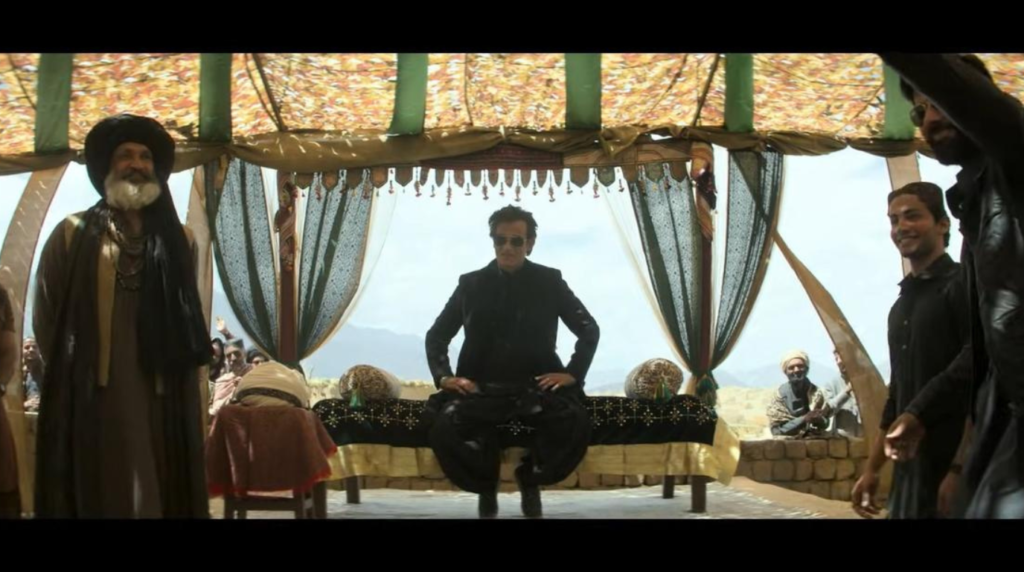
R. Madhavan’s portrayal of Ajay Sanyal is widely interpreted as a direct stand-in for National Security Advisor Ajit Doval.
- The ‘Handcuffed’ Narrative: The film spends significant time in the 1999–2009 era, depicting Sanyal as a brilliant mind “handcuffed” by an indecisive, corrupt bureaucracy (an implicit critique of the UPA regime).
- The ‘Saviour’ Motif: The story frames the post-2014 political shift not as a partisan change, but as a “liberation” of India’s intelligence agencies, allowing them to finally protect the country.
Tactical Fetishism and ‘The Butcher Aesthetic’
Critics have noted the film’s “Tactical Fetishism”—an obsession with high-tech gear, desaturated “gritty” color grading, and “butcher-style” violence.
- The Goal: This aesthetic creates a “hyper-real” atmosphere. By making the violence look “serious” and “ugly” rather than “filmy,” the movie convinces the audience they are watching a documentary-grade exposé of Pakistan’s deep state, rather than a commercial spy thriller.
The Feedback Loop: Box Office meets Policy
Dhurandhar is on track to earn over ₹400 crore, supported by tax-free status in several states and endorsements from political leaders. This creates a “Manufactured Consent” loop:
- State-aligned narratives are turned into entertainment.
- The public consumes and validates these narratives through ticket sales.
- The box office success is then used to claim that the narrative is the “voice of the people.”