
Tamil Nadu’s Special Literacy Push: 1,400+ Prison Inmates to Take Basic Exam in January
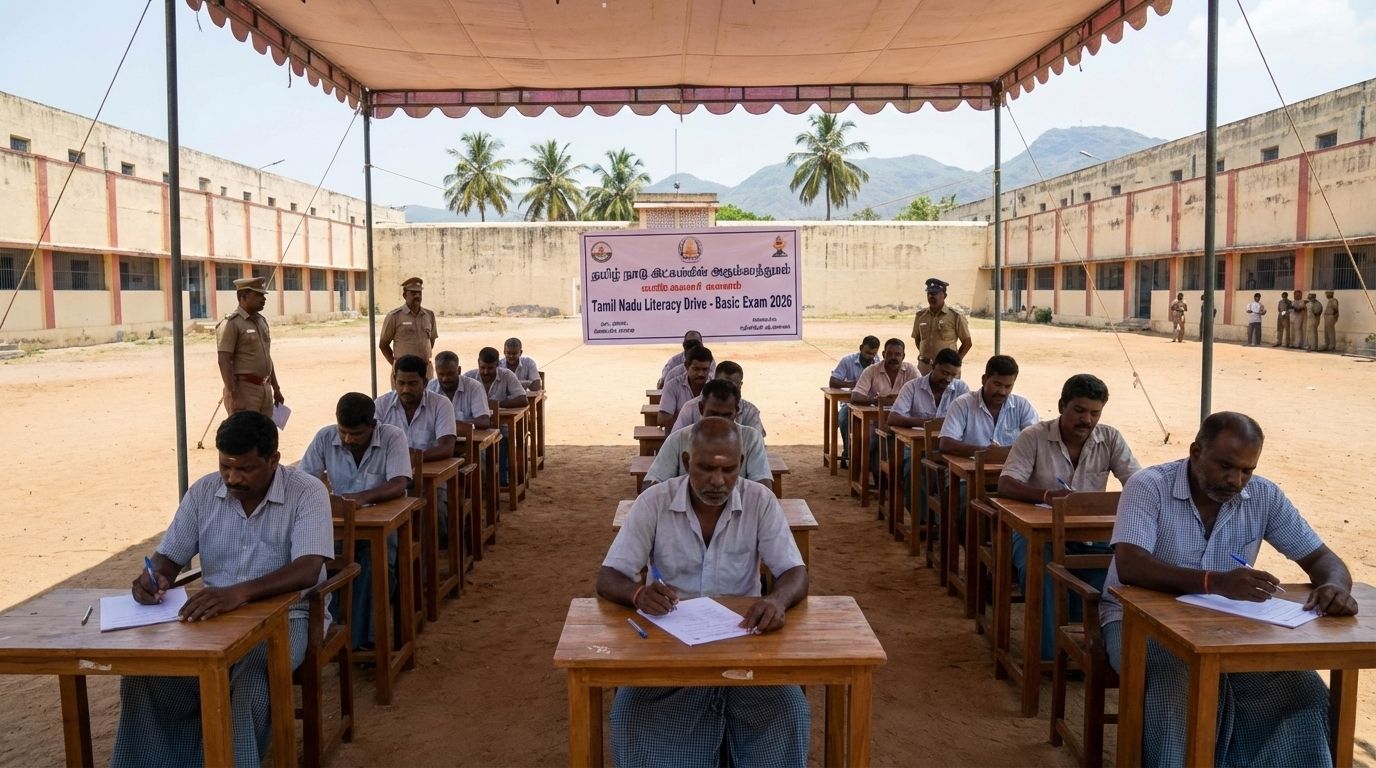
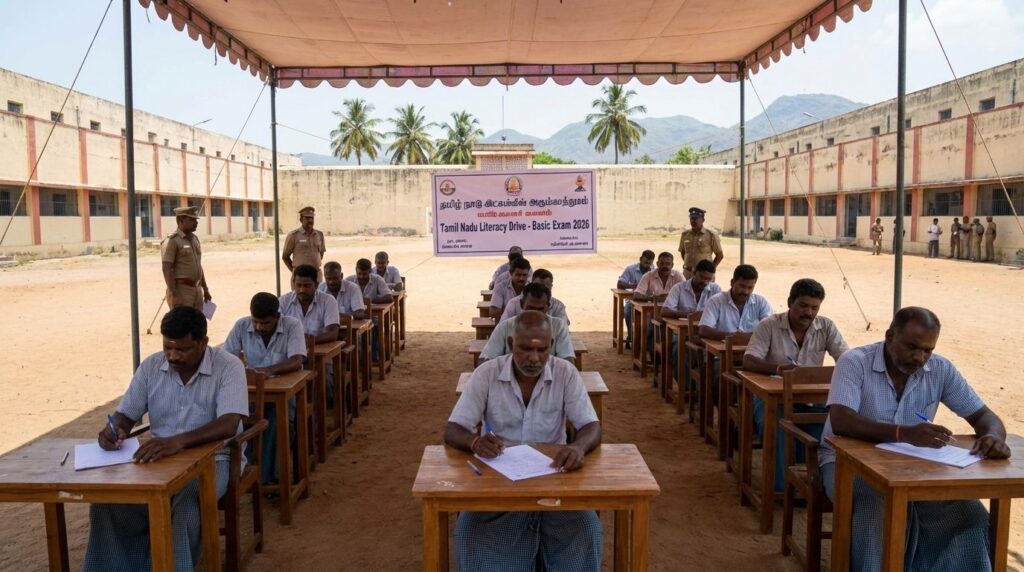
In a landmark move toward social reform and rehabilitation, the Tamil Nadu government is set to conduct a basic literacy examination for over 1,400 prison inmates in January 2026. This initiative, part of a broader state-wide push for adult education, aims to empower incarcerated individuals with foundational reading, writing, and numeracy skills.
A New Lease on Life through Education
The upcoming assessment is the culmination of a dedicated six-month training module that began in August 2025. This special literacy drive is conducted under the New India Literacy Programme (NILP) and is spearheaded by the Directorate of Non-Formal and Adult Education in collaboration with the Tamil Nadu Department of Prisons and Correctional Services.
For many inmates, this exam represents more than just a certificate; it is a vital step toward breaking the cycle of illiteracy and crime. The state government has allotted ₹30 lakh for the program, ensuring that study materials, textbooks, and writing tools are provided to all participants.
Key Statistics and Leading Prisons
According to data from prison authorities, exactly 1,455 inmates are preparing for the final assessment. The distribution across central and district prisons highlights the widespread reach of the program:
- Puzhal Prison Complex: Leads with the highest number of candidates (323 inmates, including 45 women).
- Salem Central Prison: Follows closely with 285 participants.
- Tiruchy Central Prison: Has registered 146 candidates (including 25 women).
- Madurai & Vellore: Both have recorded significant participation from both male and female inmates.
The “Inmate-Teacher” Model
A unique and cost-effective aspect of this initiative is the use of peer-based learning. In facilities facing a shortage of external teachers, inmates with higher educational backgrounds are appointed as “inmate-teachers.”
These tutors receive a remuneration of ₹635 per learner for the six-month duration. This model not only addresses logistical challenges but also fosters a sense of responsibility and mentorship within the prison walls.
Impact on Rehabilitation and Reintegration
The primary goal of this literacy push is to facilitate social reintegration. By obtaining basic education, inmates gain the confidence to:
- Read and write letters to their families.
- Understand legal documents and fill out bank forms.
- Apply for vocational training and employment post-release.
- Pursue higher education (Class VIII, X, and XII) while serving their terms.
As the training concludes in the third week of January, the focus remains on the formal assessment, which will serve as a benchmark for future educational reforms in the Indian correctional system.