

Skywatch 2026: The Wolf Supermoon vs. The Quadrantid Fireballs
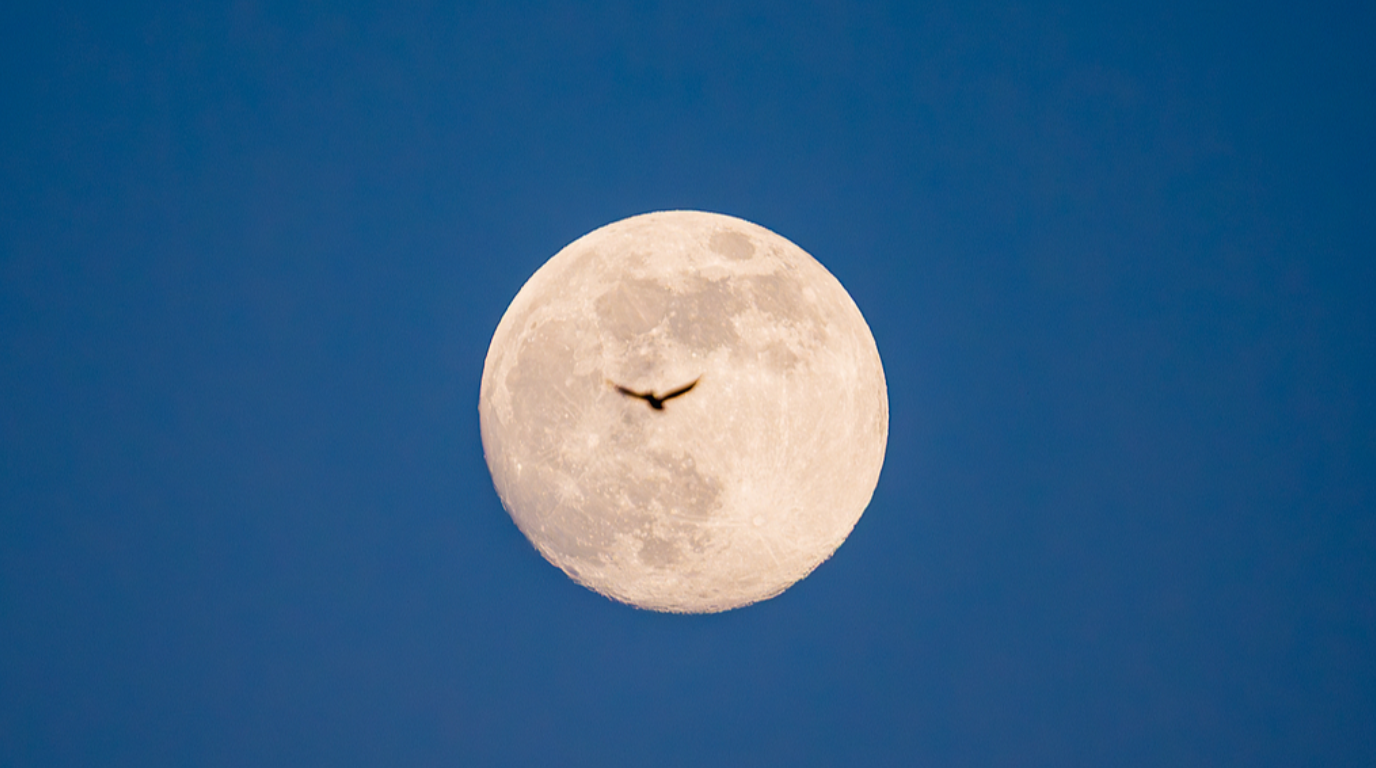
This isn’t just a regular night for stargazing. On January 3rd and 4th, 2026, we are witnessing a astronomical coincidence where the Earth reaches its closest point to the Sun (Perihelion), the Moon reaches its closest point to Earth (Perigee), and we cross the densest part of a mysterious asteroid’s debris trail.
1. The ‘Triple-Boosted’ Wolf Supermoon
While the name “Wolf Moon” comes from the howling of hungry wolves in deep winter, the 2026 version is scientifically significant because of three factors:
- The Perigee Factor: The Moon is roughly 362,000 km away—over 40,000 km closer than its furthest point.
- The Perihelion Boost: Because Earth is at its closest point to the Sun today, the sunlight hitting the Moon is slightly more intense, making it appear up to 30% brighter than usual.
- The Horizon Illusion: As the Moon rises (around 5:45 PM – 6:00 PM IST), it will appear bloated and golden. This is a cognitive trick known as the “Moon Illusion”, where your brain compares the lunar disk to earthly objects like buildings and trees.
2. The Quadrantid Fireballs: Surviving the Light
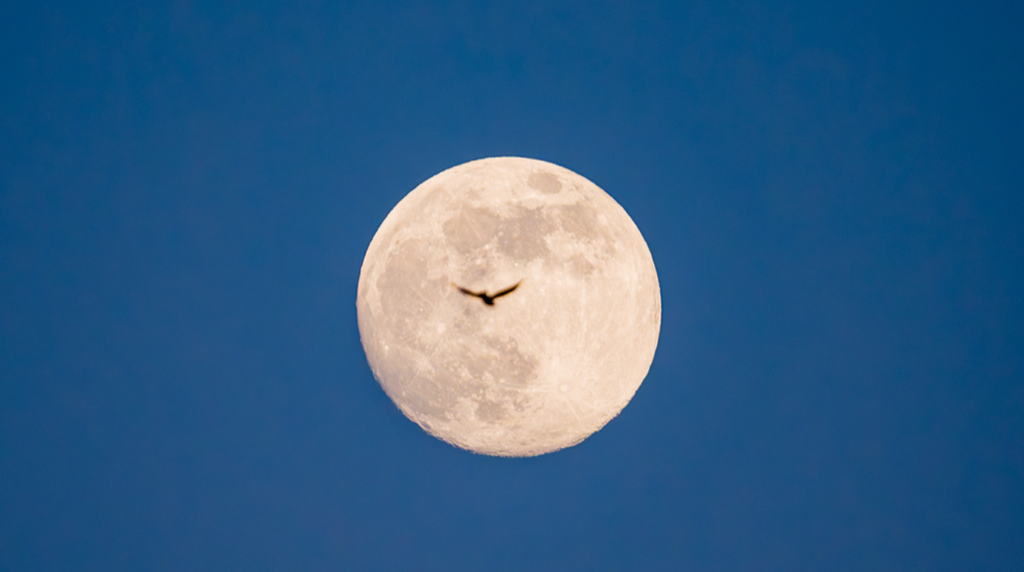
The Quadrantids are the “sprints” of the meteor world. While the Perseids or Geminids linger for days, the Quadrantids have a razor-sharp peak of only 6 hours.
The Source: Most meteors come from icy comets. The Quadrantids come from Asteroid 2003 EH1, a “rocky” object. This results in fireballs—meteors that are larger, slower, and burn with a green or yellow intensity.
The Challenge: Normally, you’d see 120 meteors per hour. Due to the Supermoon’s glare, you will likely only see the brightest 10–12 fireballs per hour.
The Radiant: They originate from the “Ghost Constellation” of Quadrans Muralis, located near the “handle” of the Big Dipper.
3. Bonus: Spot the “Gas Giant” Neighbor
Adding to the drama, Jupiter is currently glowing exceptionally bright near the Moon tonight.
- The Pairing: Look just below and to the right of the Moon. That bright, steady “star” is actually Jupiter.
- Upcoming Event: This is a “preview” for January 10th, when Jupiter will reach Opposition, making it the brightest it will be for the entire year of 2026.