

Delhi Air Crisis Sidelined: Parliament’s Winter Session Ends Without Discussion
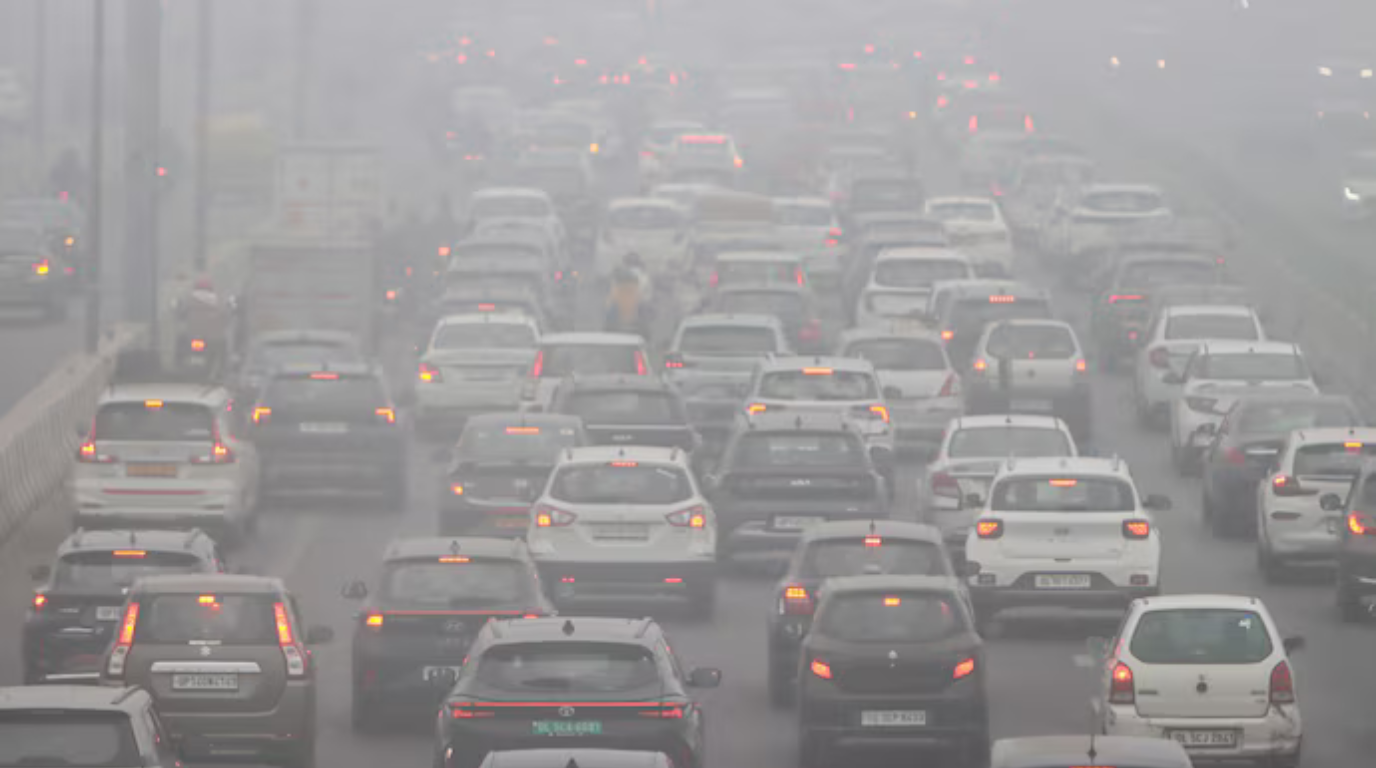
The curtains drew on the Winter Session of Parliament on December 19, 2025, marking an end to a period of intense legislative activity but also a glaring omission: the long-awaited discussion on the escalating Delhi air pollution crisis. Despite the National Capital Region (NCR) grappling with hazardous air quality for weeks, the critical public health debate was deferred, leaving environmentalists and citizens deeply concerned.
‘Environment Not Conducive’: Why the Debate Was Shelved
The official reason for the cancellation, as communicated by sources close to Speaker Om Birla, was an “unconducive environment” within the House. The final days of the session were dominated by political protests and disruptions, primarily fueled by the contentious VB-G RAM-G Bill, a legislative move to replace the existing MGNREGA rural employment scheme. Opposition MPs staged frequent walkouts and engaged in vocal protests, making a sustained, constructive debate challenging.
Union Environment Minister Bhupendra Yadav was slated to address the issue on Thursday evening, but the Lok Sabha was abruptly adjourned within an hour of proceedings, effectively signaling the end of any immediate discussion.
A Missed Opportunity for Bipartisan Action
Earlier in the session, there had been a rare moment of cross-party consensus. Several prominent leaders, including Rahul Gandhi and Priyanka Gandhi Vadra, had pushed for a dedicated debate on Delhi’s pollution, recognizing it as a non-partisan health emergency. However, this fragile unity ultimately fractured under the pressure of other legislative priorities and political deadlock.
The Lingering Shadow: Delhi’s Continued Struggle
As Parliamentarians departed, Delhi’s residents continued to face an ongoing environmental crisis:
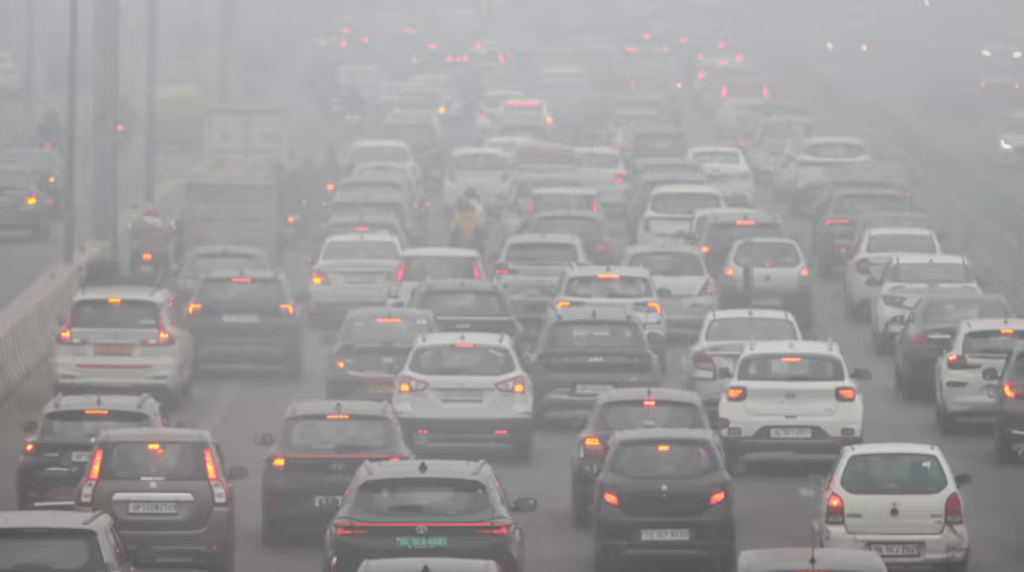
- Severe AQI Levels: Multiple monitoring stations across the NCR consistently recorded Air Quality Index (AQI) readings exceeding 400, falling into the ‘Severe’ category.
- Visibility Issues: Dense fog, exacerbated by pollutants, led to significantly reduced visibility, disrupting daily life and causing over 130 flight cancellations at Delhi’s Indira Gandhi International Airport.
- Health Implications: Doctors and public health experts continue to warn of severe long-term health consequences for residents, especially children and the elderly.
The absence of a parliamentary debate means that any significant legislative action or policy review on the Delhi air crisis is now unlikely to occur before the 2026 Budget Session, which is still months away. This delay represents a significant setback for millions of citizens demanding urgent intervention.